DIN 18134 · crane pads and working platforms
Plate Load Testing
Settlement measured under real load, on your site, in 40 minutes — the defensible way to sign off a crane pad, hardstand or working platform.
How the test works
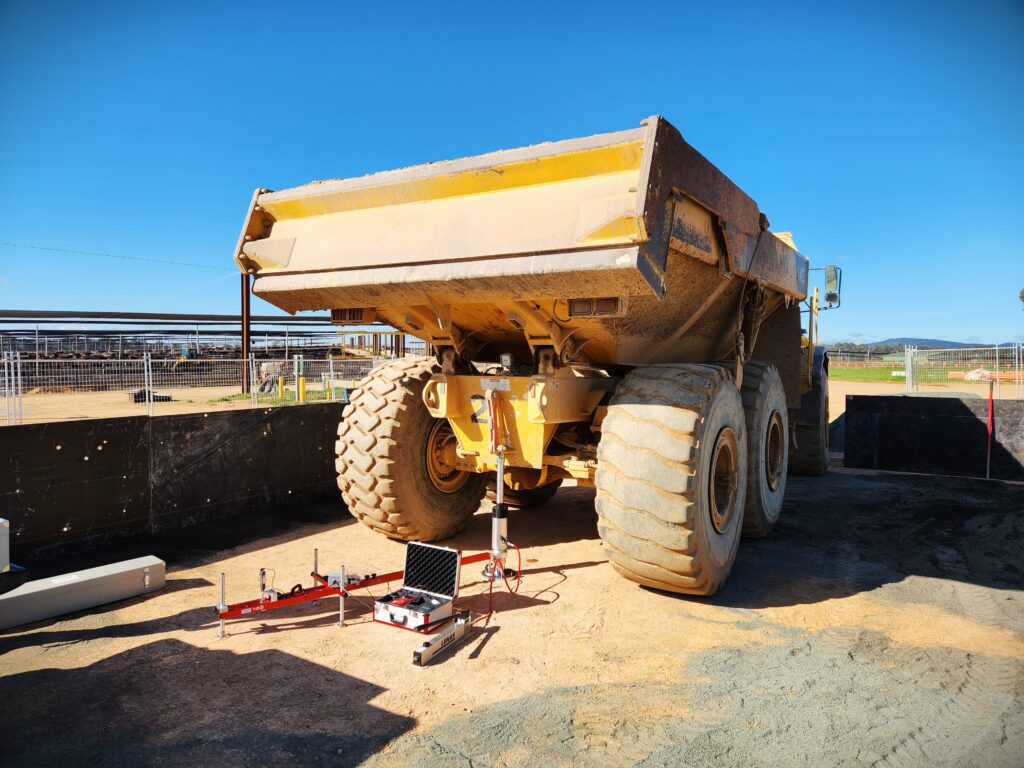
Plate load testing uses the weight of machinery already on your site. A hydraulic jack reacts against it to push a plate into the ground, and the surface deflection — the settlement — is monitored across the 40-minute test to produce settlement modulus values. Those values convert directly into a bearing capacity assessment.
Our engineers run the German-built HMP Pro digital static plate load tester, which is fast and precise. To reach maximum load on the jack, the reaction vehicle needs a minimum 5 tonne axle weight.
When you will need it
Usually when something heavy is about to sit on ground nobody has proven yet.
- Crane pads and outrigger locations before a lift
- Piling platforms and working platforms
- Hardstands, laydown areas and access tracks
- Subgrade and pavement layers in coarse-grained soils
Common questions
How much does plate load testing cost?
It depends on the number of test locations and travel to site. Several tests in one visit cost far less per location than separate call-outs, so tell us how many points you need and we will quote the visit as a whole.
What do I need to have on site?
A machine with at least a 5 tonne axle weight for the jack to react against — an excavator, loaded truck or similar — plus access to each test location. We bring everything else.
How long will it tie up the machine?
The test itself runs 40 minutes, plus set-up and relocation between points. We plan the sequence with your site supervisor so the machine is not standing idle.
Plate load or DCP — which suits my ground?
Coarse-grained soils — sand and gravel blends — are best assessed by plate load testing. Fine-grained silts and clays are better suited to a dynamic cone penetrometer. We will tell you which applies before we mobilise.
Proven on site
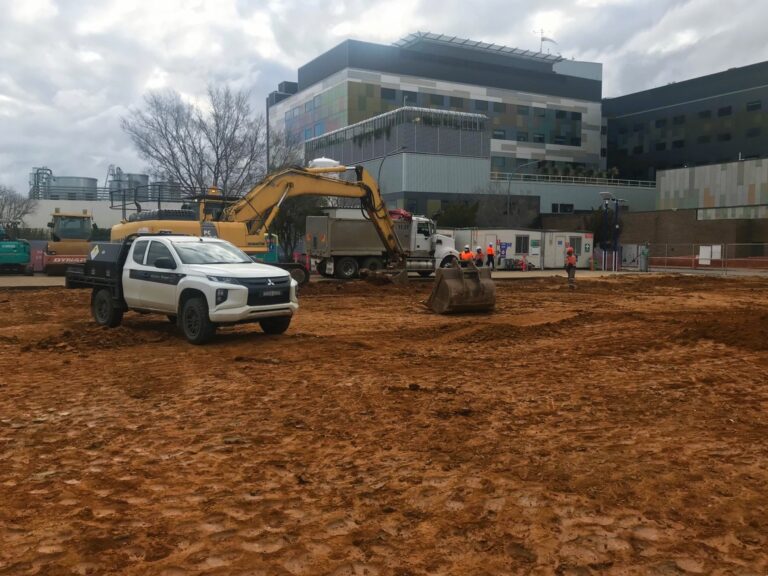
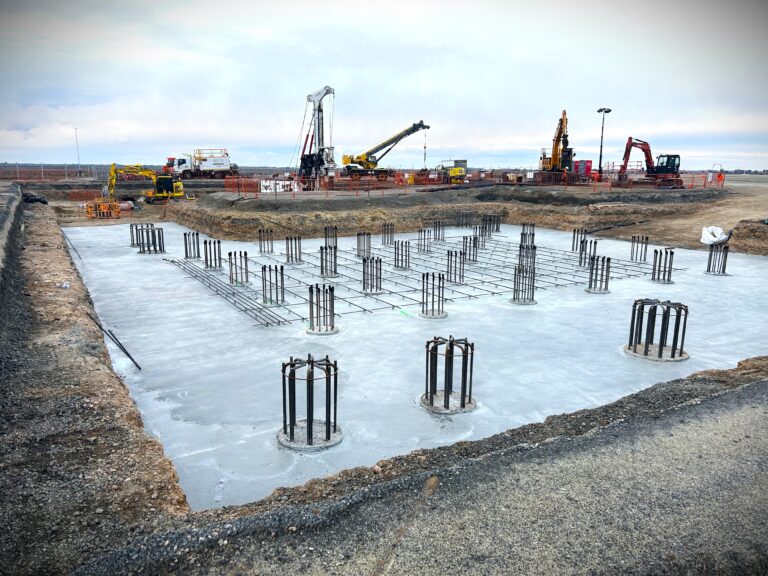
Crane pads and platforms we have proven
All projects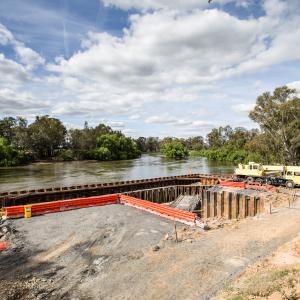
Discuss your project
Speak to one of our geotechnical engineers — no call centre, no sales script.
Contact details