AS 1726 · site investigation and design
Geotechnical Engineering
In-house qualified geotechnical engineers, our own drilling fleet and NATA-accredited laboratories — investigation, analysis and foundation design under one roof, from house slabs to solar farms.
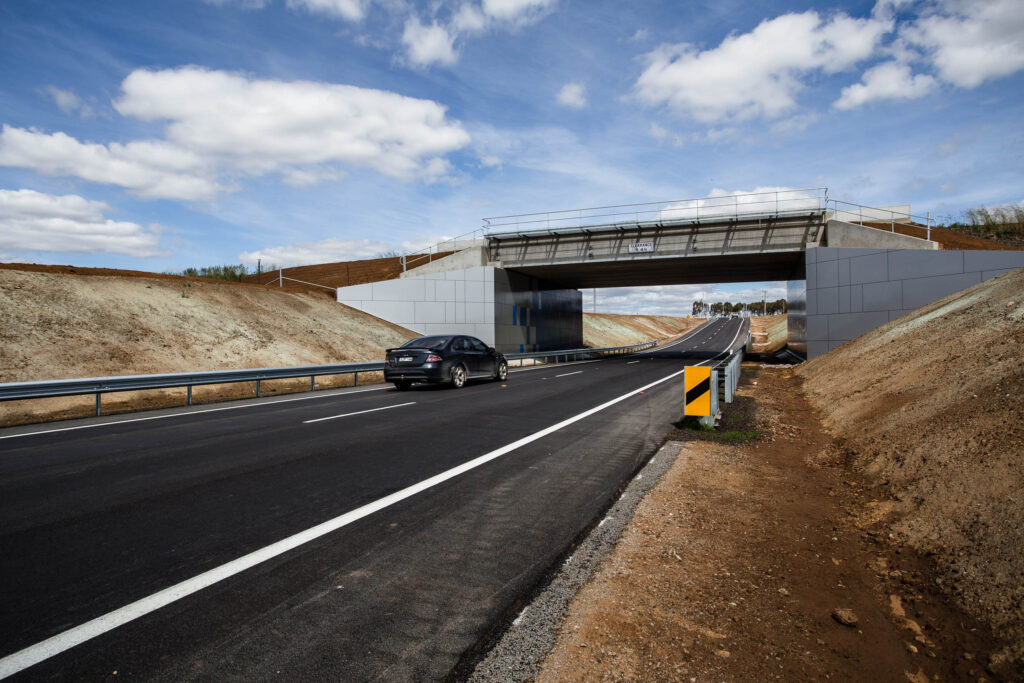
Investigation, analysis and design in one team
Alongside our NATA-accredited laboratories, Aitken Rowe employs qualified geotechnical engineers in-house. They prepare geotechnical investigation reports across residential, commercial, civil and renewable energy projects — and because the drilling, the testing and the engineering all sit with us, the advice comes back faster and nothing is lost between contractors.
Projects we investigate and design for
Reported to AS 1726, with the foundation design to match.
- Foundation analysis and design — residential, commercial, industrial
- Deep foundations for bridges and multi-storey buildings
- Water retaining structures — dam embankments, irrigation channels
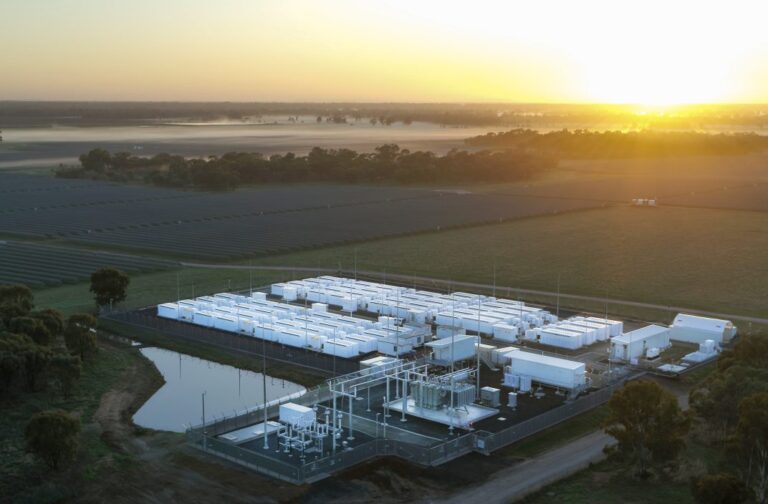
- Solar farms and renewable energy projects, including BESS
- Pavement investigation and design, modelled in Circly
- Earth resistivity for power structures and network towers
Specialist testing and advice
Called on mid-project as often as at the start.
- Crane pad assessments by plate load testing
- Rock slope support and anchorage
- Soil and site improvement
- Earthworks and reclamation
- Excavation and slope stability
- Pavement overlay design by deflection survey
- Retaining wall foundation design
- Computer analysis — bearing capacity, settlement, seepage, slope stability
- Pier and strip footing inspections during construction
- On-site advice for civil works
How it works
- 01Scope the investigationWe review the plans and set borehole depths and locations.
- 02Field workOur rigs drill and log; in-situ testing happens on the same visit.
- 03Testing and analysisLaboratory results feed bearing capacity, settlement and stability modelling.
- 04Report and designAn AS 1726 report with the recommendations your engineer needs.
Common questions
How much does a geotechnical investigation cost?
It depends on borehole count and depth, site access and how much analysis the design calls for. A small commercial footing investigation is a very different scope from a solar farm or a bridge, so each is quoted individually. Send the plans and we will price it properly.
How long does it take?
From site attendance to report depends on the laboratory testing involved — some tests have fixed curing or monitoring periods. We own the rigs and the laboratories, so there is no third party in the queue and we will give you a date when we quote.
What is in a geotechnical report?
Borehole logs and a subsurface profile, laboratory results, groundwater observations, and the engineering recommendations — allowable bearing pressures, footing options, settlement estimates and earthworks advice, reported to AS 1726.
Do I need this, or just a site classification?
A single new home is usually covered by an AS 2870 residential site classification. Once there are engineered footings, retaining, deep foundations, significant fill or a commercial structure, a full geotechnical investigation is the right scope.
Proven on site
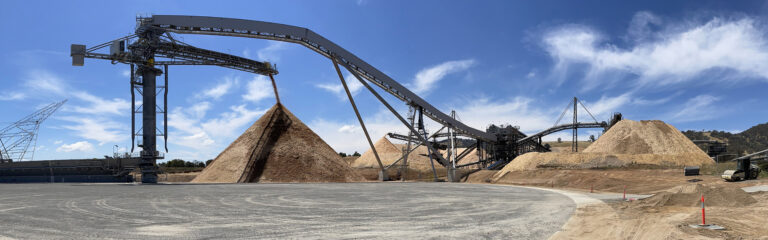
Geotechnical engineering projects
All projects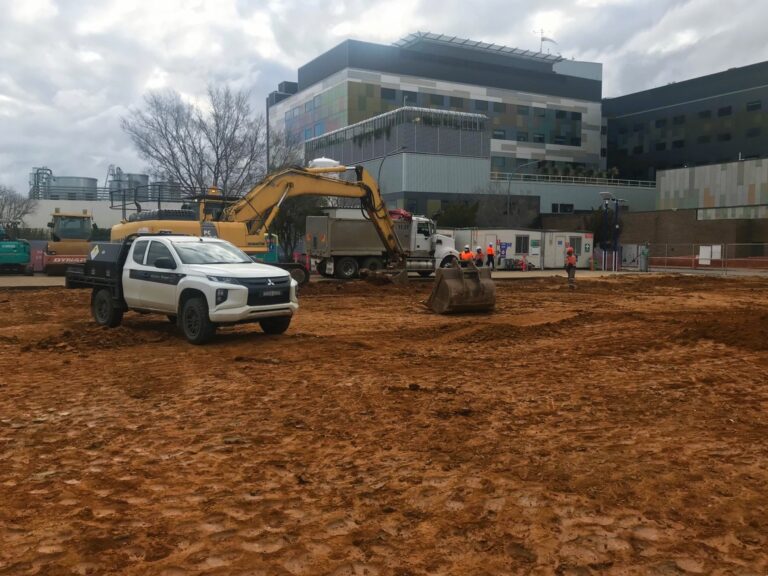
Discuss your project
Speak to one of our geotechnical engineers — no call centre, no sales script.
Contact details